Menu
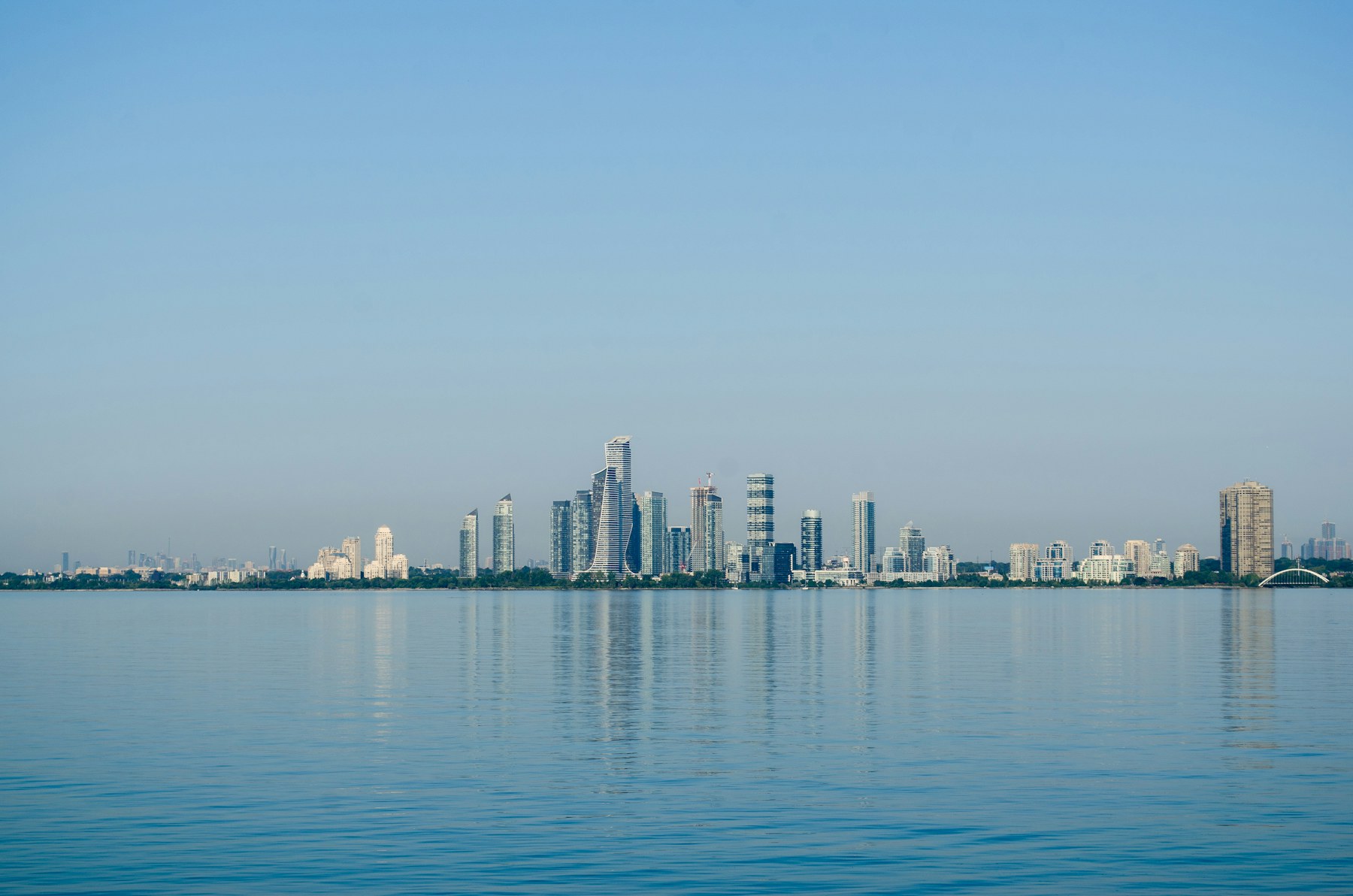
Humber Bay Shores · Toronto condo seller guide
The sale price isn't what you take home.
Selling for $750,000 does not mean you keep $750,000. Understand your mortgage payout, negotiated brokerage terms, taxes on services and the other expenses before you choose your next move.
Estimate the money you keep ↓A question every seller should answer early
Sale price minus mortgage is only the first subtraction.
Imagine you accept an offer of $750,000 for a Humber Bay Shores condo. The outstanding mortgage payout is $420,000. It seems like you will keep $330,000. But that is before services and any buyer-brokerage compensation agreed in writing, HST where applicable, legal work, mortgage discharge, a possible penalty, preparations and closing adjustments.
A dependable seller plan starts with what is documented. A mortgage payout is supplied by your lender, remuneration comes from the actual signed agreements, and the final statement of adjustments comes from your lawyer. The estimate below shows how to ask the right questions before promising yourself a particular amount.
Completely hypothetical example · no standard commission claimed
One $750,000 sale. A very different amount to keep.
For teaching purposes only, this example assumes a fictional 1.5% seller brokerage fee and separate 1% agreed buyer-side compensation, plus illustrative 13% HST on those taxable services. It also assumes $1,700 legal fees, $350 discharge charges, $3,000 preparations, $400 adjustments and $0 mortgage penalty only as an example. The amounts do not describe the fees or package of any particular brokerage. Capital-gains tax and other unentered liabilities are excluded.
Put your own assumptions in
Estimate sale proceeds with your actual documents.
Editable seller worksheet
Your sale price is not your take-home amount.
Enter the written mortgage payout and agreed fees where known. All pre-filled figures are fictional teaching assumptions, not a fee offer from MohDian, Team Wolf or any brokerage.
%
%
Five questions before you decide to list
Replace guesses with actual numbers.
Ask the lender for the real payout
Your mortgage app balance may not equal the settlement payout. Ask your lender about interest to completion, early-payment penalties, discharge and administration costs, and whether porting is possible under the actual agreement.
Read the exact fee agreement
RECO says remuneration and how it changes must be clear in writing. Identify the seller brokerage fee separately from any compensation you have agreed to pay toward the buyer brokerage. Clarify applicable HST, included marketing and services.
Prepare condo-specific adjustment records
Check outstanding condo common expenses, special assessments or registered charges, property tax balances and prepaid amounts to be apportioned. Let the lawyer calculate the final statement; not every adjustment is a seller cost.
Separate money already spent from closing-day costs
Staging, cleaning and pre-listing repairs may be paid before closing. They still affect total money you keep from the sale, even though they may not appear as a deduction on the lawyer trust statement.
Check taxes and the next purchase separately
A principal-residence exemption is not universal and reporting may still be required. For an investment condo or a property with a change of use, get tax advice. If buying again, add a separate buyer down-payment and closing-cost budget.
Deposits, disbursements and timing
A buyer's deposit is not an extra bonus.
Under a typical Agreement of Purchase and Sale, the buyer pays a deposit toward the purchase price. It is usually held in trust. The seller does not get to add that deposit on top of the final purchase price when calculating total proceeds. The brokerage and closing lawyer reconcile the actual deposit credit and disbursements.
Similarly, a seller who paid $3,000 for staging weeks before closing has already spent that money. It reduces the financial outcome, but may not be a separate line in the lawyer's closing transfer. Distinguish lifetime cost of the sale from the amount wired by the lawyer on completion.
Before accepting your next offer
Ask the lender for a current payout and penalty calculation. Review the brokerage services/fees in writing. Confirm what the buyer's offer requires. Have the real-estate lawyer check registered charges, condo arrears, taxes, completion date and the net closing proceeds.
If the sale and replacement purchase close on different dates, arrange any bridge financing or temporary accommodation with your lender and lawyer well before moving day.
Property-sale tax is a separate question
Principal residence does not mean you can skip reporting.
The Canada Revenue Agency says a property used solely as a qualifying principal residence for the entire ownership period is generally eligible for an exemption on the gain, but the disposition still generally needs to be reported. Investment properties, mixed rental/personal use, changes in use, flipping rules and ownership history may change the tax consequences. This calculator does not estimate those taxes. Discuss them with an accountant or tax lawyer. Review the CRA principal residence guidance ↗
If you are buying a replacement condo, remember your next purchase creates different expenses. Use the Toronto buyer cash-to-close calculator to estimate buyer taxes, down payment and other expenses; do not confuse the buyer's land transfer tax with typical seller closing costs.
Seller FAQs
What to clarify before a final decision.
If my condo sells for $750,000, how much money do I keep?
You need to subtract the full mortgage payout and the costs you actually owe. In a purely fictional example with a $420,000 mortgage payout and $26,637.50 in additional expenses, the financial proceeds would be $303,362.50 before any applicable property-sale income tax or other obligations. A real transaction requires a lender payout statement and lawyer closing account.
Do real estate brokerages all charge the same commission in Ontario?
No. Fees and services vary. Your representation agreement sets out the seller brokerage fee and any amount or method the seller agrees to pay toward buyer brokerage compensation. Fees can be fixed, percentage-based or a lawful combination, subject to the signed terms. Ask what is included and whether HST applies.
Does the buyer deposit count as extra money on top of the selling price?
No. A buyer deposit held in trust under an agreement is generally credited toward the purchase price. It should not be added a second time to calculate the seller total proceeds. Lawyers and brokerages reconcile deposit disbursements on the actual transaction.
Will I pay a mortgage penalty when I sell my condo?
Possibly. Paying a closed mortgage early can trigger a prepayment penalty that may be thousands of dollars, plus other lender charges. An open mortgage or particular prepayment privileges may have different treatment. Request a dated mortgage payout statement directly from the lender.
Do I have to pay capital gains tax when selling my principal residence?
A qualifying principal residence may be eligible for an exemption, but a sale must generally still be reported to the CRA. Rental use, changes in use, flipping rules and ownership circumstances can change the tax result. This calculator deliberately does not estimate property-sale income tax; obtain tax advice.
Do Ontario condo sellers pay land transfer tax?
On a typical property transfer, land transfer taxes are generally an expense of the buyer rather than the seller. If you are buying a replacement property, your own purchase can involve Ontario and, inside the City of Toronto, municipal land transfer tax. The calculator is only for selling proceeds; check the separate buyer closing-cash guide.
Is the calculator the exact amount my lawyer will send me on closing day?
No. A lawyer accounts for the accepted contract, deposit in trust, mortgage payout, registered charges, adjustments, brokerage payment and all applicable disbursements. Expenses you paid before closing, like repairs or staging, can reduce your overall outcome but do not necessarily appear on the lawyer trust transfer. The figures are placeholders until documents confirm them.
Source documents and related guides
Written agreements beat standard guesses.
FCAC: Costs involved in selling a home ↗FCAC: Breaking a mortgage contract ↗RECO: Brokerage representation agreements and remuneration ↗RECO: Seller's checklist ↗CRA: Ontario HST rates on taxable services ↗Toronto condo Vacant Home Tax: seller declaration and closing account risks →Should you spend money preparing your condo? →Selling a tenant-occupied condo? →Buying next? Calculate your cash to close →
Information reviewed October 15, 2026. Hypothetical example only. Not a seller valuation, agreed commission, mortgage payout statement, lawyer trust disbursement, tax advice or financial recommendation.
Plan your next move with real figures
What would you actually keep if you sold?
Share the condo address, timeframe and any condition or improvements you are considering. We can start with current comparable properties, then organize the documents your mortgage lender and lawyer need for an accurate net-proceeds plan.